
Let’s Talk Layers: Why Your Home Feels “Almost Right”… But Not Finished
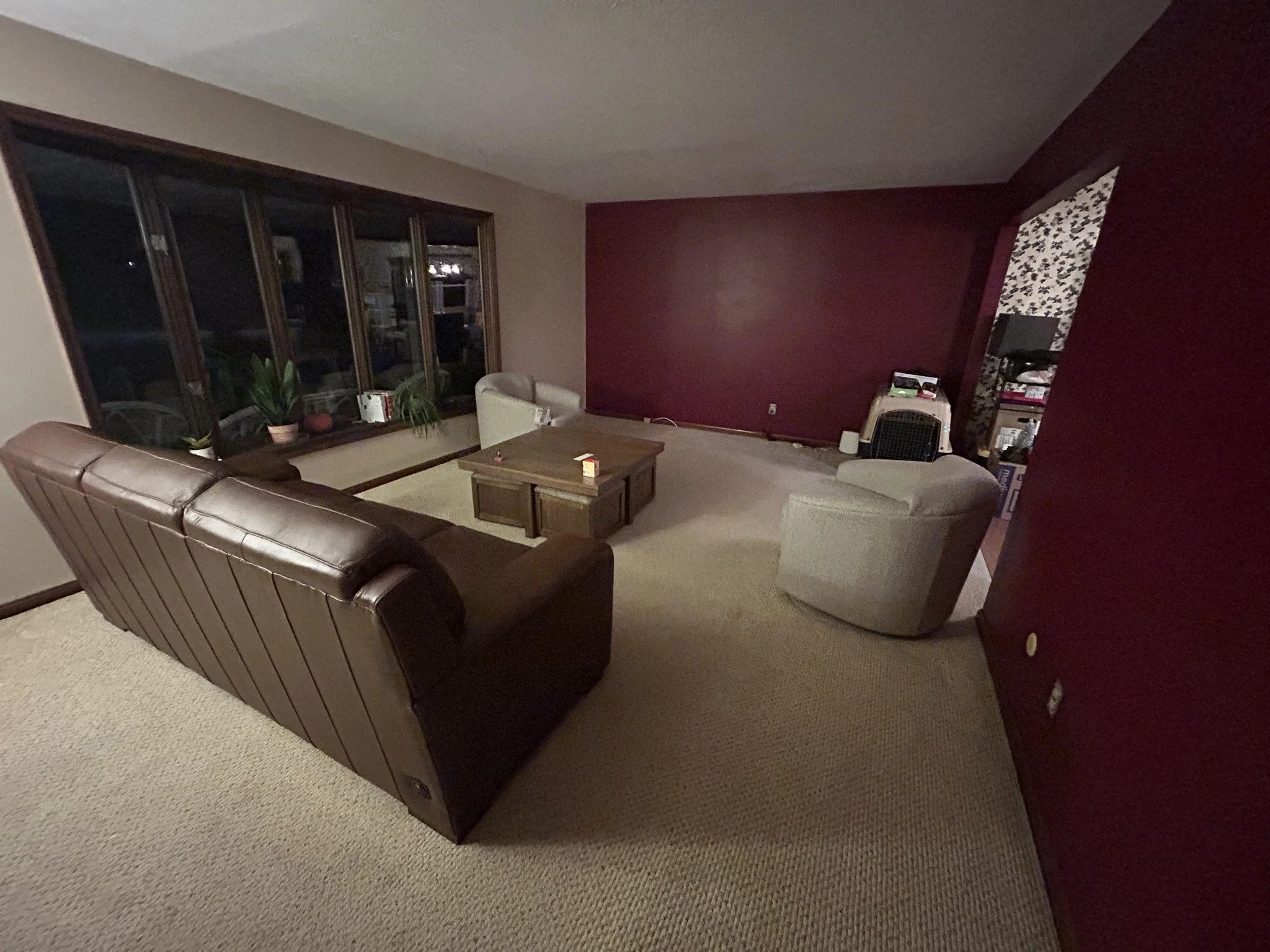
Many people struggle with rooms that just need a little bit more to tie it all together and finish it off.
Layering can be the thing that unlocks it. Layering is everything when it comes to styling a space, but it’s also the most misunderstood part of design.
So often, people jump straight to pillows, throws, or décor, hoping that adding more will fix a room that feels flat or unfinished. But great design doesn’t start with accessories. It starts with intention and with the bones of the space itself.
Before we ever talk styling, we ask a different set of questions:
What’s the shape of the room?
How do people naturally move through it?
Where does light enter, and how does it change throughout the day?
These answers matter more than trends ever will.
Start With the Bones, Not the Accessories
Every room already tells a story, you just have to know how to read it.
Existing finishes like flooring, paint color, tile, lighting, and hardware give us clues about how a space wants to function and feel. Ignoring those elements is one of the most common reasons homes feel disjointed or “off,” even when everything in the room is technically beautiful.
We see this all the time:
Gorgeous furniture that’s completely out of scale for the room
A space filled with quality pieces, but all in the same tone, finish, or color
Rooms that feel cold or unfinished because there’s no texture to soften them
Design isn’t about how expensive something is, but it’s about how well it relates to everything else around it.
The Three Things Most Homes Are Missing
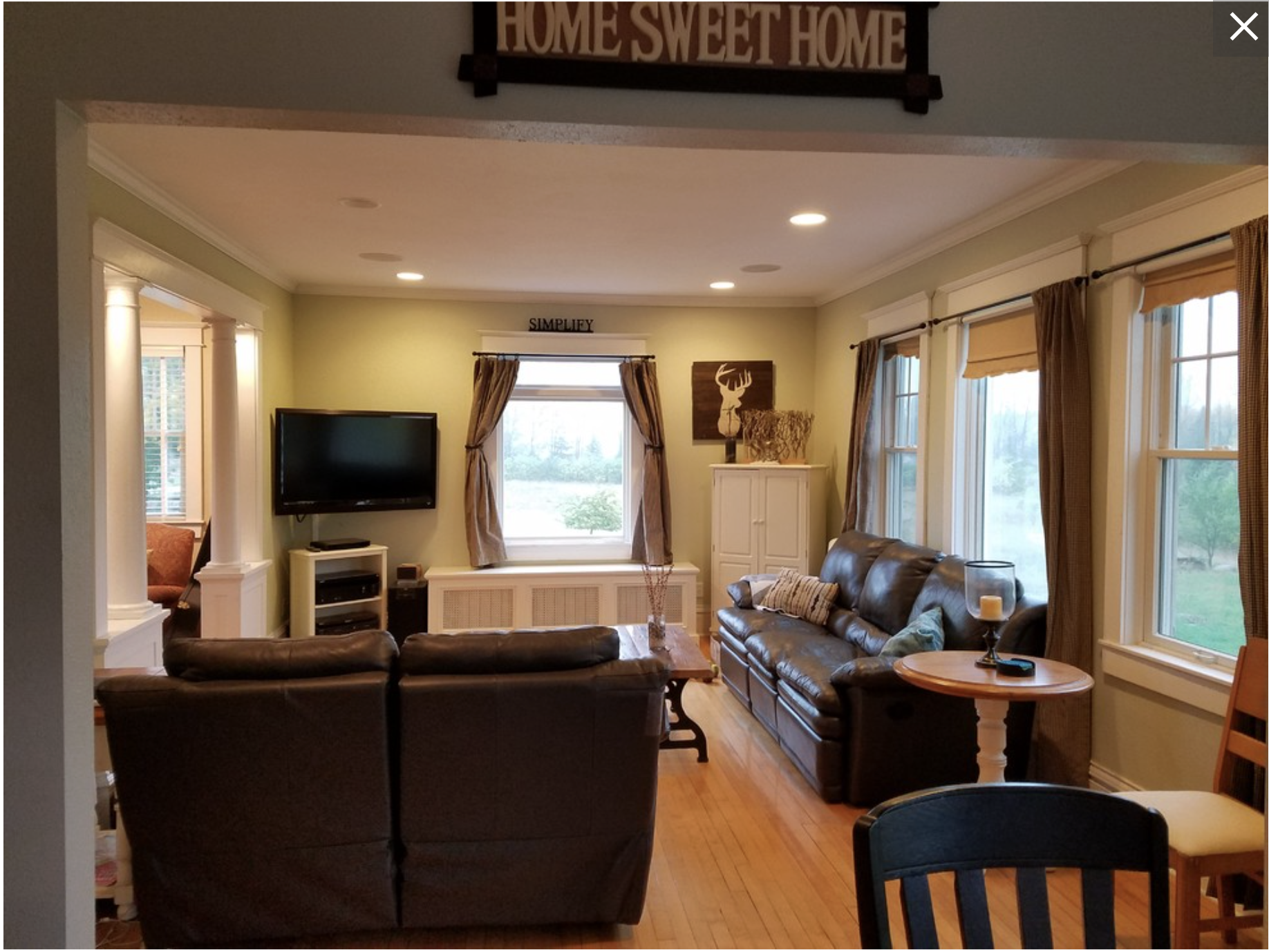
If we had to narrow it down, most homes that feel unfinished are missing some combination of these three things:
1. Correct Scale
Scale is about proportion; how furniture relates to the room and to each other.
We often see oversized sectionals crammed into small living rooms, or tiny rugs floating under massive furniture. When scale is off, a room feels uncomfortable, even if you can’t quite explain why.
A well-scaled space allows the eye (and the body) to move easily.
2. Texture
Texture is what keeps a room from feeling flat or sterile.
Think:
Soft vs. hard
Matte vs. glossy
Natural vs. refined
Homes that rely too heavily on smooth finishes - flat paint, sleek furniture, minimal variation - can feel one-dimensional. Texture brings warmth, depth, and that “lived-in” quality people crave but can’t always articulate.
3. Contrast
A room that’s all one shade, whether that’s beige, white, gray, or even black, often lacks visual interest.
Contrast doesn’t mean bold or busy. It means variation:
Light against dark
Organic against structured
Old paired with new
Without contrast, even the most neutral spaces can feel bland and unfinished.
Our Layering Process (And Why It Works)
Once the foundation is understood, the layering begins, and it’s always intentional.
Our process unfolds like this:
First comes the rug – the anchor that defines the space
Then furniture – chosen for scale, comfort, and flow
Lighting – to shape mood and function
Art – to bring in personality and story
Window coverings – for softness, balance, and dimension
Finally, styling elements – the finishing touches that make it personal
It’s never random.
It’s never about just “adding stuff.”
Every layer builds on the one before it, creating depth, balance, and cohesion.
When a Space Feels Close… But Not Quite Right
This is the moment most people reach out to us.
You’ve invested in your home. You like your pieces. But something still feels unfinished, flat, or disconnected, and no amount of rearranging seems to solve it.
If your home feels close, but not quite right, we’d love to help.
Book an Inspiration Session, and let us show you how to see your home differently.
See how the layers of your home can reveal the beauty of what it is.