
If Your Space Feels Awkward, Start With This
Placement: How a Better Layout Can Change Everything
A recent client was struggling, wanting her home to feel elevated, even in the middle of a remodel. Instead of buying all new furniture, we worked with what she already owned and simply changed the layout.
The result?
Her space felt lighter, more intentional, and more “her” without spending a dollar on new furniture.
You don’t always need new furniture.
Sometimes you just need a better layout.
Placement is one of the most powerful (and overlooked) tools in interior design. The way your furniture is arranged affects how your home feels, how it functions, and how you move through it every single day.
Why Placement Matters More Than You Think
Your layout controls:
How energy flows through your space
How comfortable your furniture actually feels
Whether a room feels open or cramped
Whether it feels intentional or accidental
We see it all the time when we step into people’s homes; beautiful pieces that don’t feel right, not because they’re wrong, but because the space is working against them.
5 Layout Mistakes We See All the Time
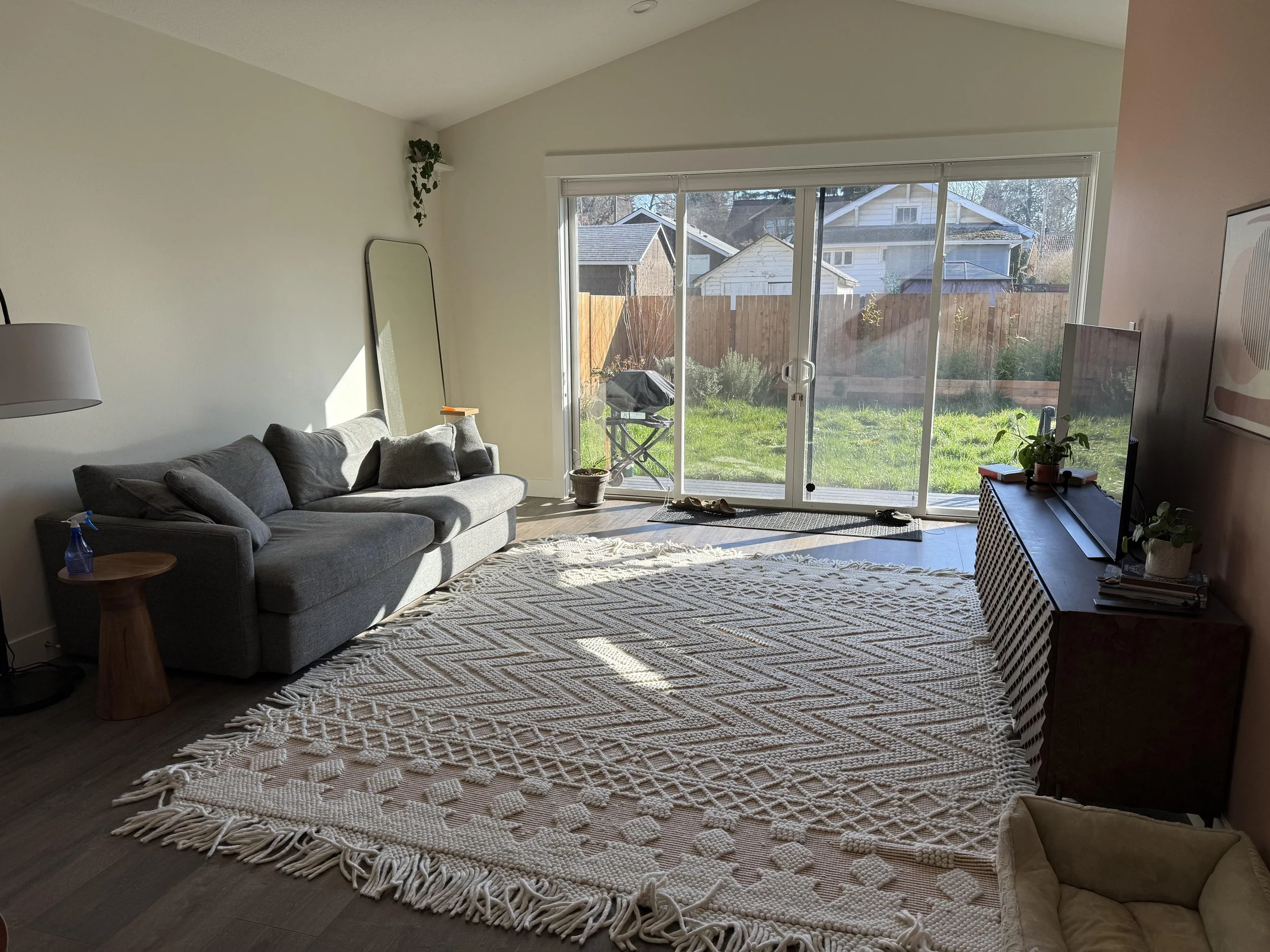
1. Everything Pushed Against the Walls
This is one of the most common habits, and one of the biggest mistakes.
When everything hugs the walls, a room can feel:
Empty in the middle
Awkward to use
Less conversational and cozy
Pulling furniture in, even just a few inches, creates intimacy and makes the space feel designed, not accidental.
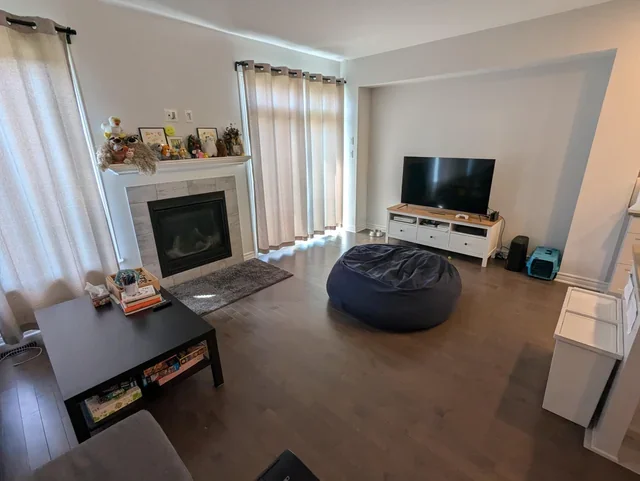
2. Sofa Too Close (or Too Far) From the TV
If your sofa is:
Too close → it feels cramped and overwhelming
Too far → it feels disconnected and uncomfortable
There’s a sweet spot where the room feels balanced and functional. Placement should support how you actually live, not just how the room looks in photos.
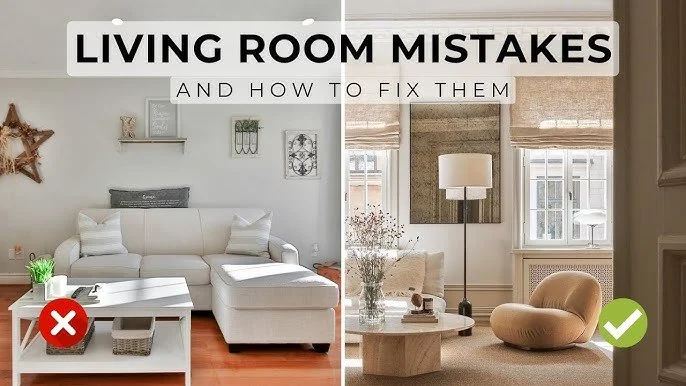
3. Furniture That’s the Wrong Scale
Scale is everything.
Too big = heavy, crowded, overpowering
Too small = unfinished, scattered, temporary
Balance happens when your furniture relates properly to the room and to each other, not when everything is “just trendy.”
Rugs, spacing, angles, and alignment help furniture “talk” to each other so a room feels intentional, not like a series of unrelated objects.
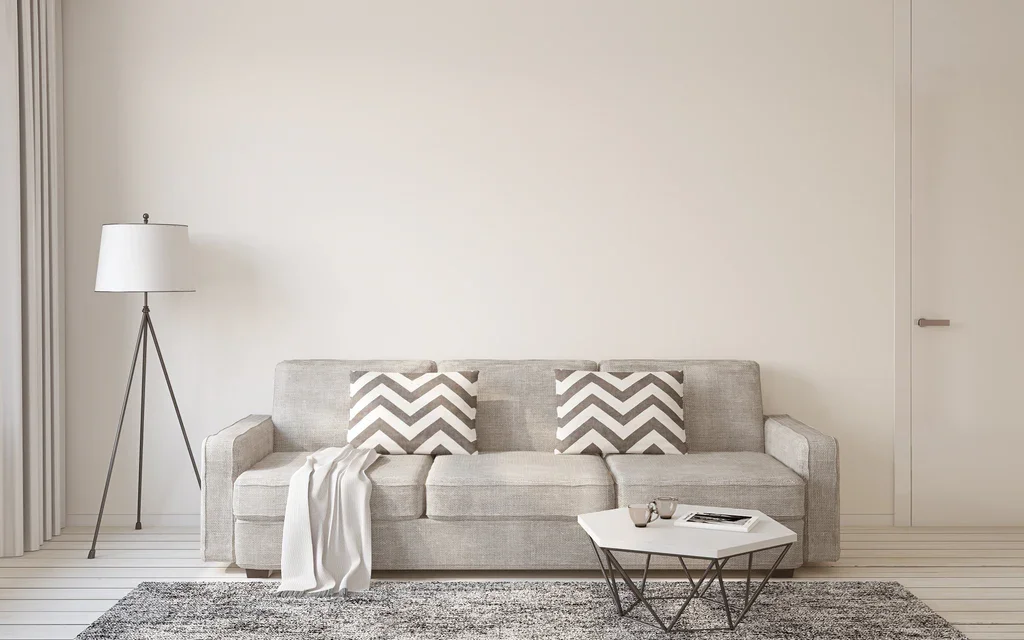
5. No Mix of Texture, Material, or Color
Even a good layout can feel flat if everything is the same.
Layering:
soft + hard
light + dark
smooth + textured is what makes a space feel cozy, lived-in, and finished.
The Best Part? You Can Fix Most of This With What You Already Own
That’s what we did for Cassidy.
No new couch.
No new chairs.
No new rug.
When you start looking at your home as something flexible, not fixed, you begin to see possibilities instead of problems.
Placement Isn’t About Perfection, It’s About Support
A good layout:
Supports your routines
Makes movement easy
Helps your home work for you
Feels calm instead of chaotic
Your home should help you breathe easier, move easier, and live easier.
Want Proof This Works?
You can see this principle in action across the design world:
Apartment Therapy regularly shows how small layout changes transform entire rooms.
Architectural Digest features homes where placement, not price, creates impact.
Studio McGee, Amber Interiors, and Emily Henderson often show before-and-afters where rearranging makes the biggest difference.
We see the same thing every single week inside our clients’ homes.

This Is Exactly What We Do in Inspiration Sessions
In our Inspiration Sessions, we spend one hour in your home helping you:
See your space with fresh eyes
Rework your layout using what you already own
Brainstorm fixing the flow, scale, and balance
Elevate your home without starting over
Ready for Your “Oh… That’s What It Needed” Moment?
If your space feels off but you can’t explain why, chances are it’s placement! Let us step in, re-think, move a few things around, and help your home finally feel like it fits you.
One hour. Your home. Fresh eyes. Big impact.
#reddingca #reddingdesign #chicodesign #mtshastadesign #curatedredding
#HomeLayout #InteriorDesignTips #HomeStyling #DesignThatWorks #CuratedHome