
Your Home, Your Nervous System
How the Spaces You Live In Shape How You Feel, Connect, and Show Up
What if your home wasn’t just where you live, but something your body is constantly responding to?
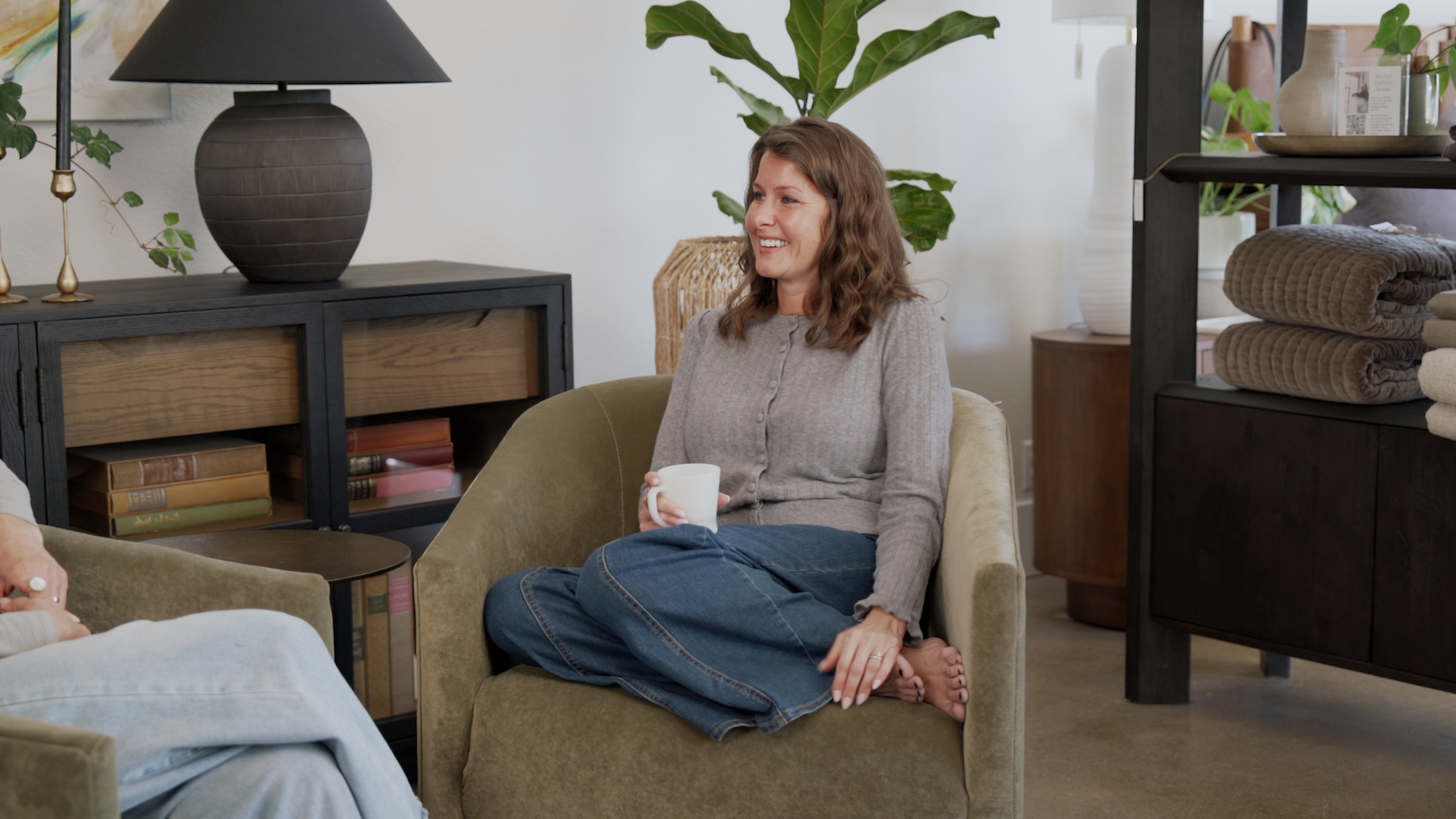
In a recent conversation, Dustyn Kellar, founder of Curated Furniture & Decor and Kellar Design, sat down with Rebekah LaRobardiere, a Somatic Experiencing Practitioner (SEP) based in Redding, to explore something most people feel but rarely have language for:
The way your home impacts your nervous system, your relationships, and your overall wellbeing.
This wasn’t a conversation about trends or aesthetics.
It was about what your body experiences every single day, often without you realizing it.
How Your Nervous System Responds to Your Space
Your nervous system is always scanning your environment. Not just for danger, but for cues of safety, calm, and predictability.
That means your home, its layout, lighting, clutter, flow, and even how “finished” it feels, can either support regulation or quietly create stress.
We explored questions like:
How does your body respond to the physical spaces you live in?
Can a home feel unsafe, even when nothing is obviously wrong?
What happens when you live in constant visual chaos or unfinished spaces?
For many people, the answer shows up as subtle but persistent discomfort:
Difficulty relaxing
Avoiding certain rooms
Low-grade anxiety at home
Feeling “on edge” without knowing why
A space doesn’t have to be chaotic to feel dysregulating.
Sometimes it just feels off.
Sensory Safety: The Details That Change Everything
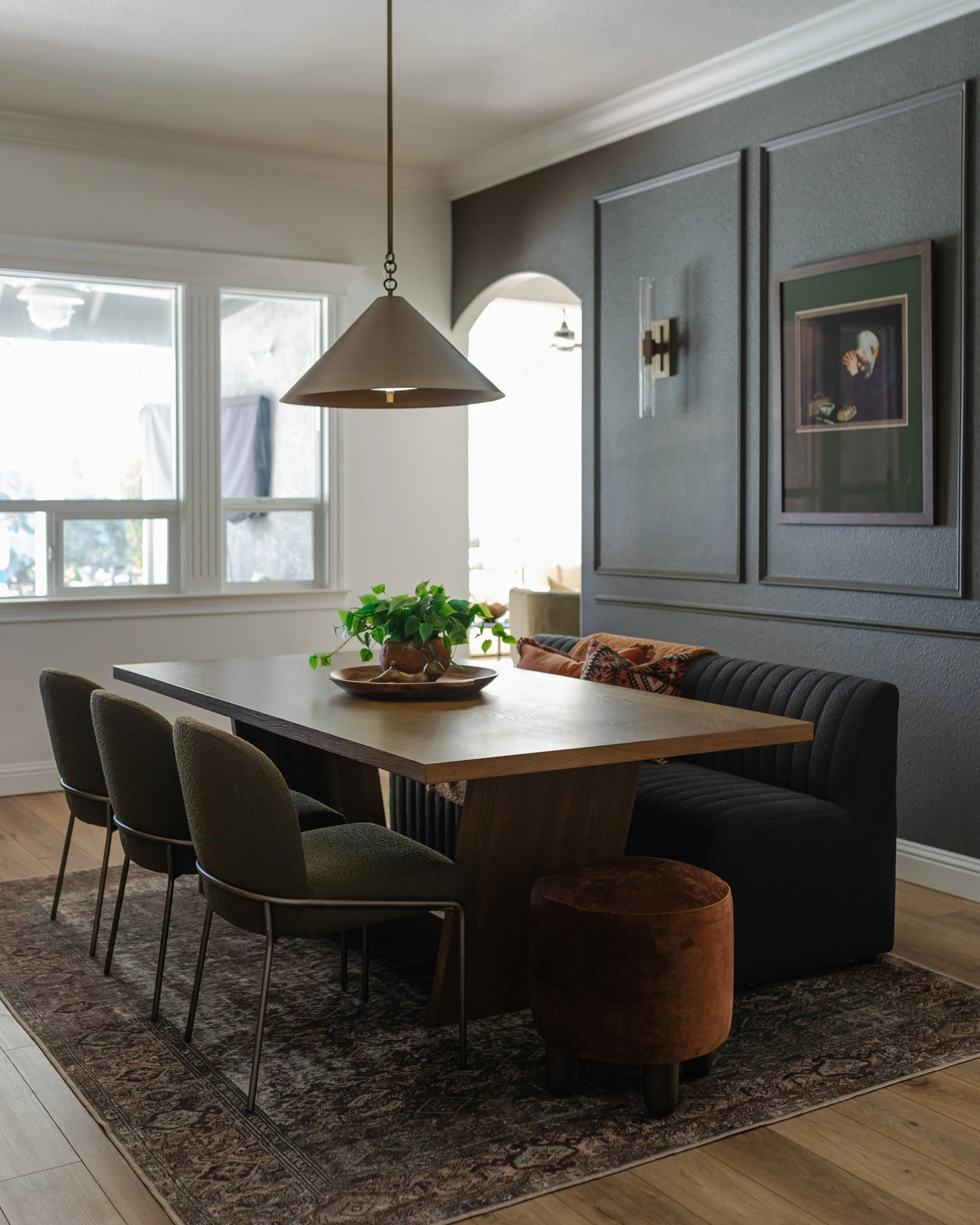
Your body processes your home through your senses first, not your thoughts.
Things like:
Lighting (harsh vs. soft)
Texture (cold vs. layered)
Scent (stale vs. intentional)
Sound (echoing vs. grounded)
All of these influence how your body settles or doesn’t. One of the most powerful takeaways from this conversation: Small sensory shifts can create immediate changes in how a space feels.
This might look like:
Swapping overhead lighting for lamps
Adding natural textures (wood, linen, wool)
Introducing calming scents
Softening acoustics with rugs and textiles
These aren’t just design choices, but they’re regulation tools.
A Beautiful Home vs. A Safe Home
One of the most important distinctions we discussed:
A home can look beautiful… and still not feel good to the body.
You may have experienced this:
Everything looks “put together”
The furniture is nice
The space is styled
…but you still don’t feel settled.
Why?
Because aesthetic beauty doesn’t automatically equal nervous system safety.
We talked about:
Why some people avoid being home even when everything looks fine
How to tell if your space is supporting or stressing your body
The difference between visual design and embodied experience
At Curated, this is why we always start with how a space feels, not just how it looks.
The Bedroom, Mental Load, and Intimacy
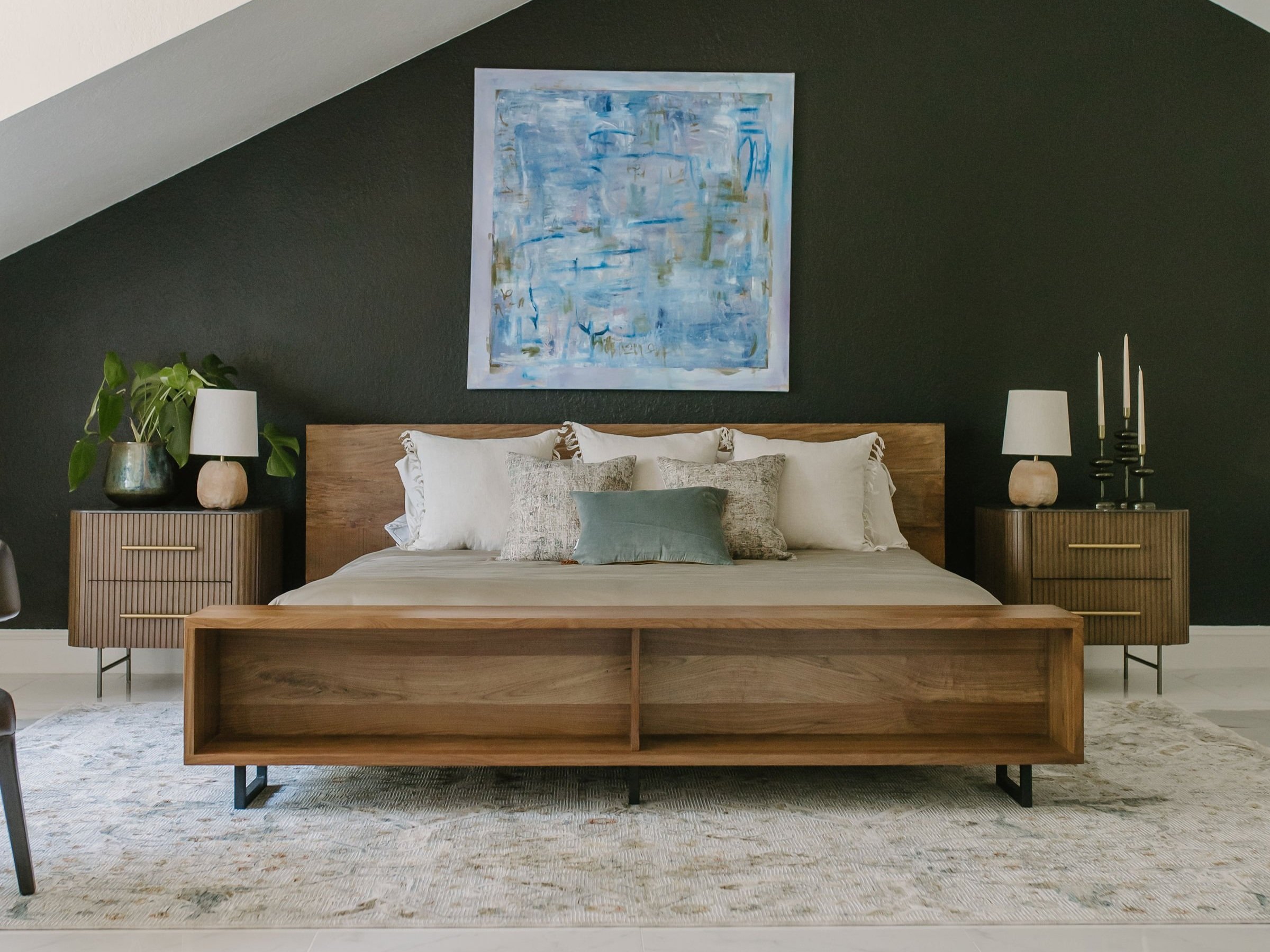
The bedroom is one of the most revealing spaces in a home.
It’s where rest, connection, and intimacy are meant to happen, but for many people, it becomes:
A storage overflow
A mental to-do list
A reflection of everything unfinished
We explored:
How mental load shows up physically in the bedroom
What clutter or neglect in that space might represent somatically
How couples can begin reclaiming it as a space for connection
Because when a room meant for rest holds stress, your body never fully lets go.
The High-Functioning Woman + The Home
This part of the conversation hit deeply for many.
What happens when a woman is responsible for everyone else’s comfort… but not her own?
We talked about:
Hyper-functioning and perfectionism
The inability to fully relax or receive
How that pattern shows up in the home environment
A home can look “perfect” on the outside, while the person living in it feels completely disconnected from it. True design—real design—creates space not just for function, but for pleasure, rest, and embodiment.
Shared Spaces, Resentment, and Relationships
Your home is also where your relationships live. And physical space often mirrors emotional dynamics.
We explored:
How resentment shows up in shared environments
How clutter or disorder can amplify tension
What conversations couples should be having about their space
Because when expectations, ownership, and care aren’t clear, it doesn’t just affect the room, it affects the relationship.
Do Our Homes Reflect Our Inner World?
One of the most powerful questions we asked: Do our homes mirror our emotional patterns?
Often, the answer is yes.
Unfinished spaces can reflect avoidance
Clutter can reflect overwhelm
Over-control can reflect anxiety
And the inverse is also true: As people begin healing, regulating, and reconnecting with themselves…
their spaces often begin to shift too.
This is where design and somatic work meet.
Where to Watch the Full Conversation
If this resonates, we highly encourage you to watch the full conversation with Rebekah LaRobardiere:
🎥 Watch the episode here: https://www.youtube.com/watch?v=zC5DdyoJFr0
You can also explore more of Rebekah’s work:
Instagram: https://www.instagram.com/rjlcoaching/
Website: https://www.rjlcoaching.com/
Podcast: Let’s Talk About It
https://www.youtube.com/playlist?list=PLzJUr3tH0VKm_9IgbYFiBTuhvZh4LBOCM
Ready to Feel Different in Your Space?
If your home looks fine but doesn’t feel right, there’s a reason. And you don’t have to figure it out alone.
At Curated, our Inspiration Sessions are designed to help you:
Understand how your space is currently impacting you
Identify what’s creating friction or stress
Reimagine your layout, flow, and environment
Bring your home into alignment with how you want to feel
CURATED by Kellar Design
Serving Redding and Shasta County
Your space isn’t just something you see. It’s something you feel.