
What Actually Makes a Home Feel Comfortable?
One of the things I hear most often from clients is: "I don't know what to do with my house, It just doesn't feel right."
What's interesting is that most of the time, they aren't needing a bigger home, a more expensive home, or even a completely redesigned home like they think. They're talking about a lack of comfort: the feeling you get when you walk through the door and your shoulders drop. Everything has a spot and the home just flows. The feeling that makes you want to stay home on a Friday night. The feeling that allows you to exhale.
As a designer, I've learned that comfort is far more complex than people realize. And neuroscience is beginning to confirm what many of us have intuitively known all along: our homes have a direct impact on how we think, feel, rest, and connect.
The homes that feel most comfortable aren't necessarily the most expensive or the most perfectly designed, but they are the homes that support the people living in them.
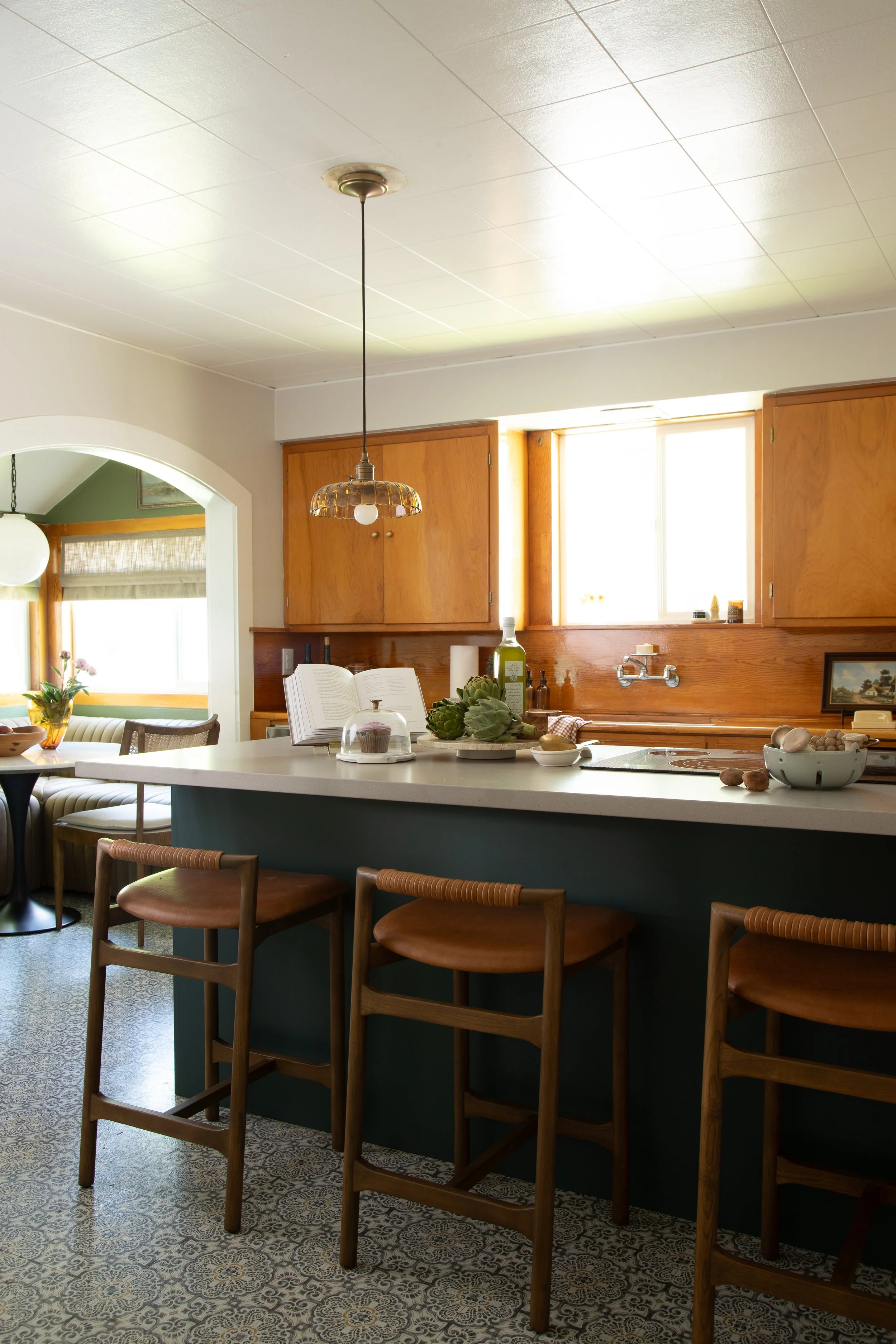
The Neuroscience Behind Comfortable Homes
Research in environmental psychology and neuroscience continues to show that our surroundings influence our stress levels, mood, focus, and overall well-being. We spend roughly 90% of our lives indoors, meaning our environments have a tremendous impact on our daily experience. (arXiv)
Researchers studying biophilic design (the practice of incorporating nature into our homes) have consistently found connections between natural elements and reduced stress, improved cognitive function, and greater emotional well-being. (ScienceDirect)
Homes that feel comfortable often include:
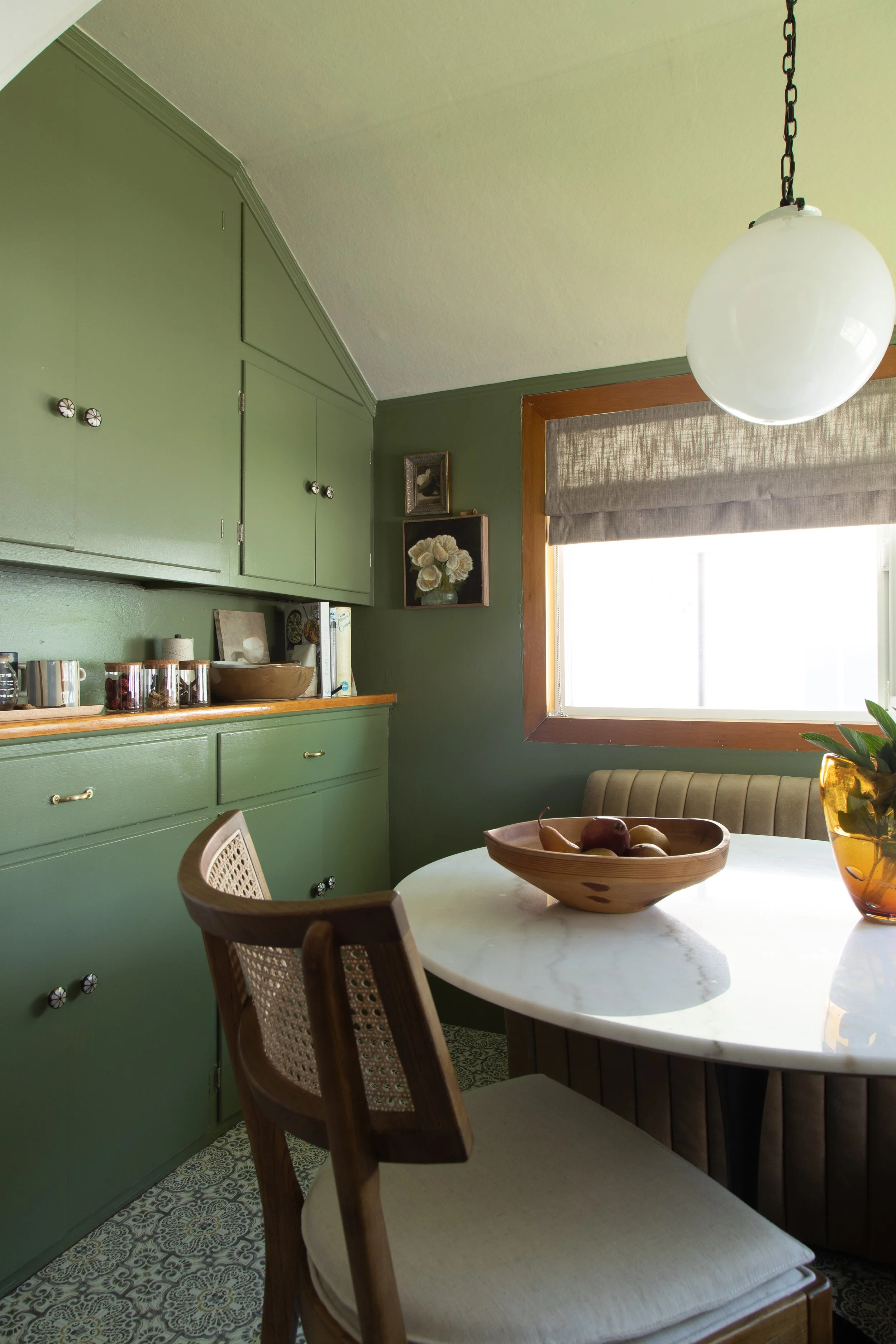
1. Natural Light
Studies have shown a strong relationship between natural light and emotional well-being. Natural daylight supports healthy sleep cycles, mood regulation, and overall happiness. (ScienceDirect) This is why rooms often feel dramatically different after simply opening window coverings, rearranging furniture to maximize light, or selecting lighter materials that reflect daylight.
2. Connection to Nature
Plants, natural materials, outdoor views, wood, stone, and organic textures help create a sense of calm. Research has shown that exposure to natural elements can reduce stress and support emotional resilience. (PMC)
That doesn’t mean "buy more plants." But you can create a connection to nature through the materials, textures, and experiences you incorporate.
3. Reduced Visual Clutter
We talk in depth in a high-value conversation with Rebekah LaRobardiere, a somatic experience practitioner and sex & relationship coach, about these topics in practical, everyday ways. If you have anything in your home that feels “off,” this conversation is worth a listen.
Our brains are constantly processing information. When every surface is crowded, every wall is busy, and every room lacks intention, your brain never gets a chance to rest. So leave that blank space on the wall or on the ground, not every space needs to be filled.
Studies continue to connect cluttered environments with increased stress and decreased focus. (RMCAD) Comfortable homes don't necessarily have less stuff. They just have more intentionality. Everything has a place and not every surface has to be covered leaving room and in your mind to rest.
4. Psychological Safety
One of the most fascinating areas of design research is the idea that spaces influence our sense of emotional safety.
Design professionals increasingly talk about three layers of comfort:
Physical comfort
Psychological safety
Emotional fulfillment
The most successful homes support all three. (asid.org) When a room feels chaotic, disconnected, overly sterile, or doesn't reflect the people who live there, we often experience subtle tension without realizing why.
Why New Houses Often Don't Feel Like Home
This is something we see all the time with clients who have recently moved. The papers are signed, and the boxes are unpacked in the beautiful new house they’ve purchased. But a house and a home are not the same thing.
A house is a structure. A home is a relationship.
Many people move everything and plan to deal with editing what they own immediately after moving, but all that does is create a bigger project than they wanted. Going into a move with a plan for this new chapter before the boxes are packed can make the house into a home much faster. One of the ways we can help is an Inspiration Session in the new and old space to help clients identify:
What should stay
What should move
What no longer serves them
What can we add to give the new home that finished feel.
We often use existing furniture in completely different ways. We reimagine room functions entirely and identify key pieces that would genuinely improve the way the space is lived in.
We always start with what clients already have.
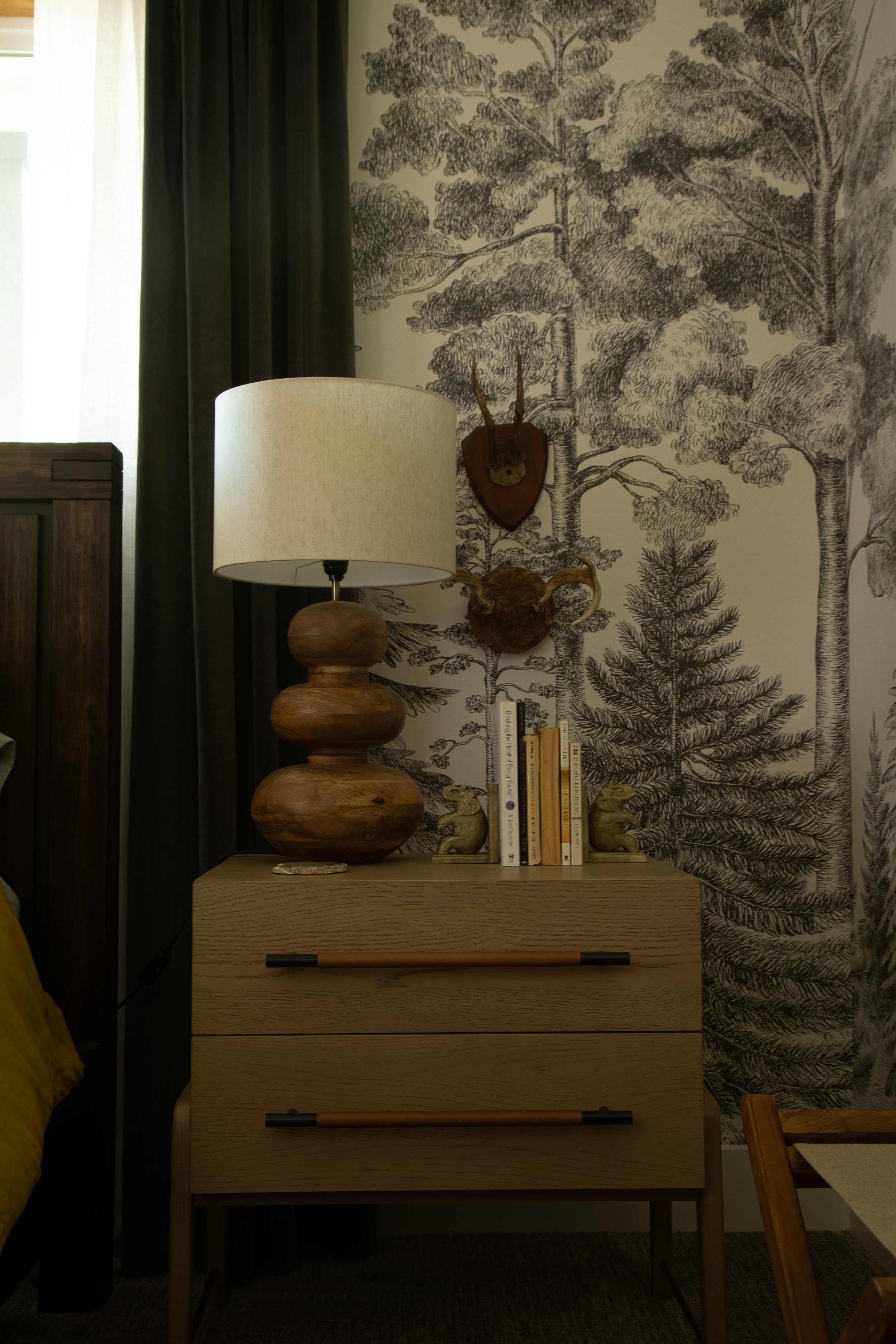
What could be missing : Balance
One of the biggest reasons homes feel uncomfortable is a lack of balance. Many homes have become visually busy but emotionally empty.
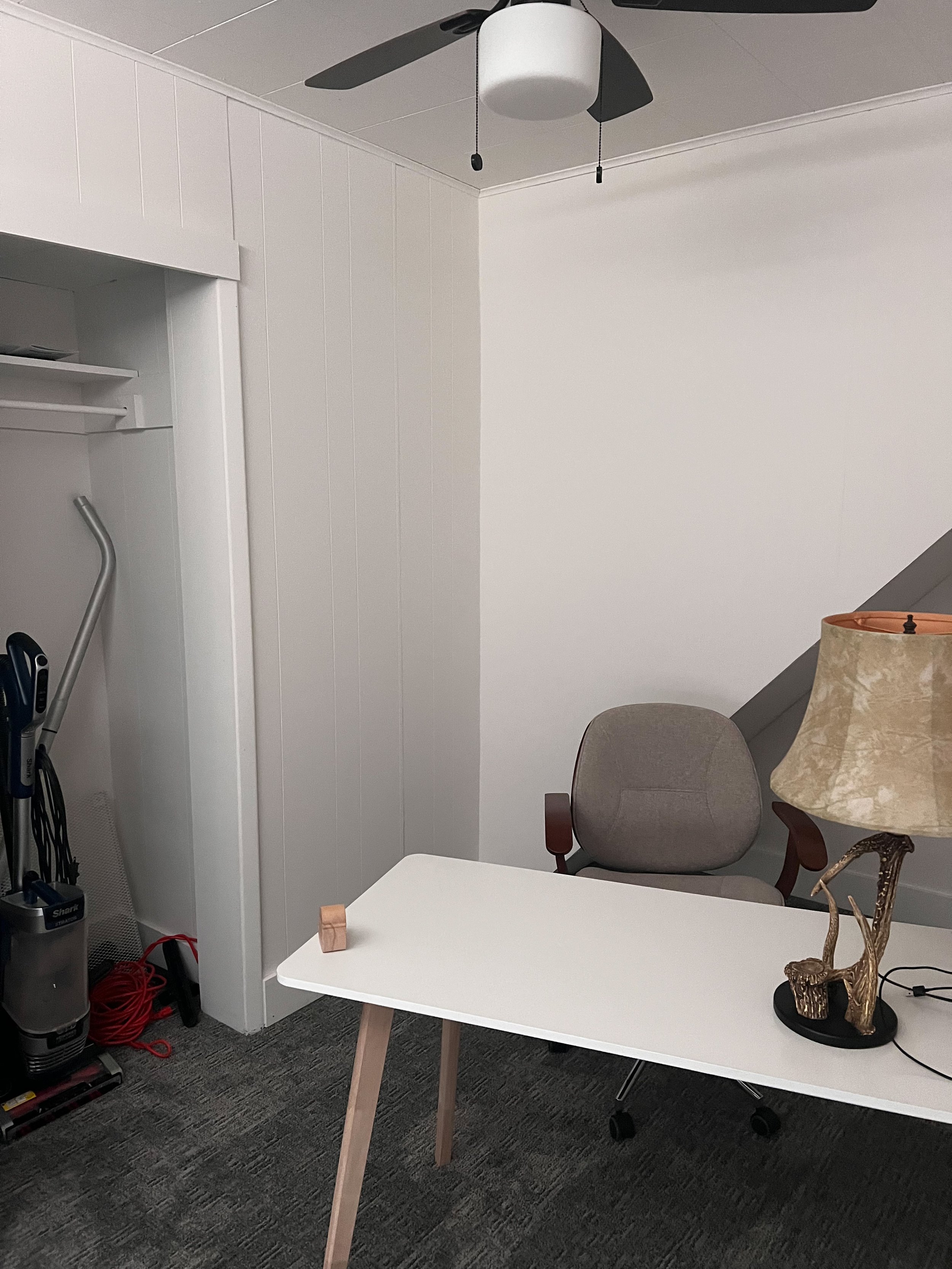
We crave:
Warmth but surround ourselves with hard surfaces
Connection but spend evenings isolated on screens
Rest but leave work visible everywhere
Nature but spend most of our time indoors
Simplicity but continue accumulating more
Comfort comes when a space is well thought out. Softness balancing structure. Light balancing dark. Open space balancing collected objects. Function balancing beauty.
This is why some homes instantly feel welcoming while others feel exhausting. Your nervous system notices the difference long before you consciously do.
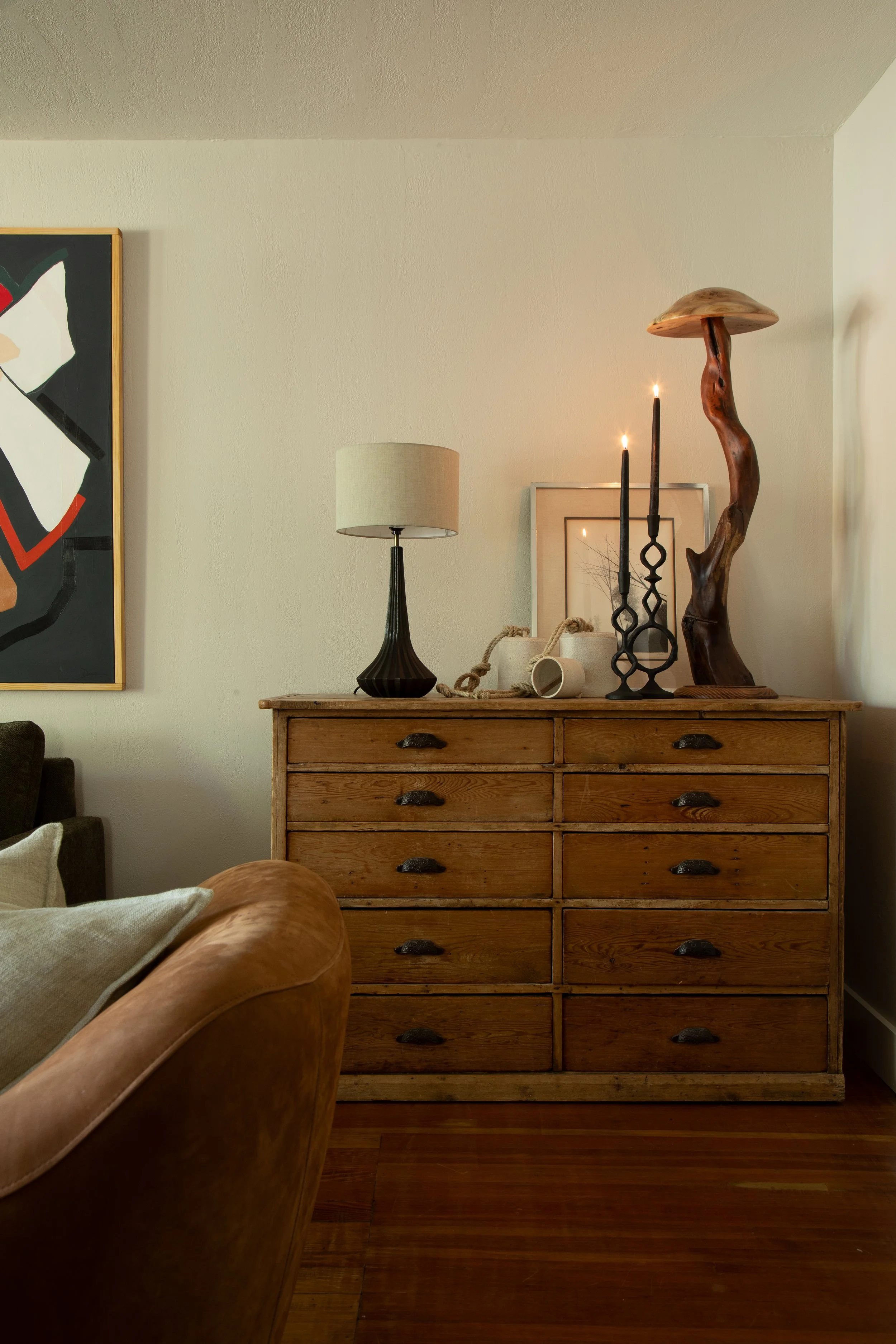
Why Having a Plan before the move is so Important
One of the biggest mistakes homeowners make happens before they even move. They're excited. They want the house to feel finished. They want it to feel like home.
So they start making decisions. They order a sofa. They buy rugs. They move everything! And then six months later, they realize that this new house doesn’t feel right. If they had simply had a plan before the move and someone help them see the bigger picture for this new space, they wouldn’t feel overwhelmed.
We've seen it happen countless times. Furniture that doesn't fit the scale of the room. Rooms that never quite function the way the family hoped they would. Money spent solving the wrong problem.
The truth is that creating a comfortable home isn't about making quick purchases. It's about understanding how you want to live before you start making decisions. That's why we love working with homeowners early in the process.
During an Inspiration Session, we walk through the home with you and help answer the questions that are already running through your mind:
Should this room be a dining room or a sitting room? Will my existing furniture actually work here? What pieces should I keep? What should I let go of? How can I make this house feel like me? Where should I spend money and where can I save it?
Most homeowners don't need someone to tell them what to buy. They need someone to help them create a plan that will save time and money and create the home they truly crave.
After the paperwork is signed and the keys are handed over, many homeowners discover that the hardest part isn't buying the house, but it's turning it into a home. And that's where we come in, to help them create a home that feels comfortable, personal, and thoughtfully designed from the very beginning.
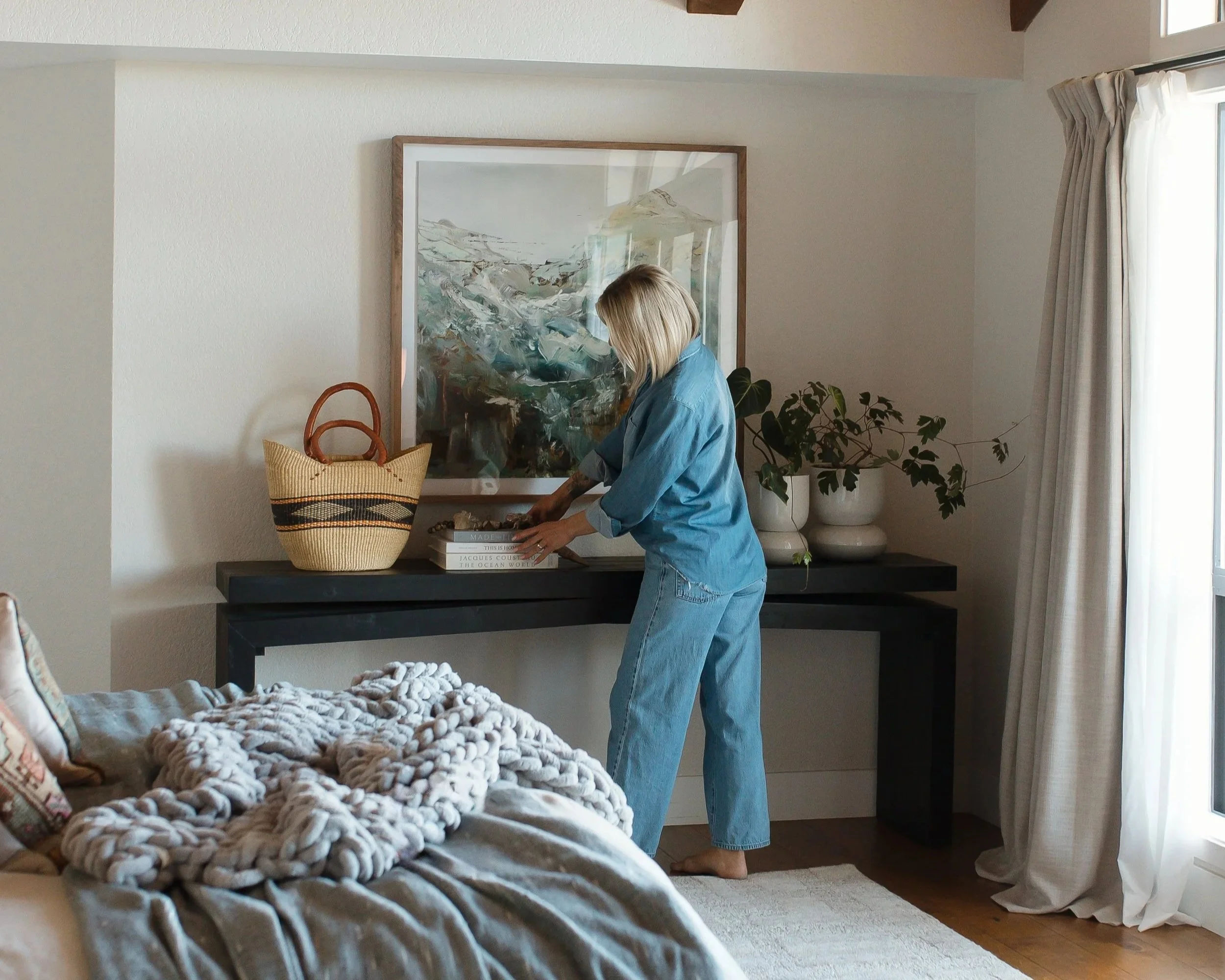
A chance to walk through their new home with a designer and create a plan. We help them see possibilities. We help them avoid expensive mistakes. And most importantly, we help them begin creating a home that truly supports the life they want to live there.
Ready to Make Your Home Feel Truly Comfortable?
Whether you've just moved into a new house or you've lived in the same home for twenty years, sometimes all you need is a fresh perspective. Our Inspiration Session is a one-hour in-home consultation where we help you identify what's working, what's not, and how to make your home feel more functional, beautiful, and supportive of your everyday life.
comfortable home how to make a home feel comfortable neuroscience of interior design neuroaesthetics interior design and mental health home comfort ideas biophilic design home styling tips interior designer Redding CA home design consultation inspiration session new homeowner design tips how to make a new house feel like home functional interior design home organization and stress
#HomeComfort #InteriorDesignTips #Neuroaesthetics #BiophilicDesign #HomeStyling #InteriorDesigner #HomeInspiration #ComfortableHome #DesignForWellbeing #HomeDecorIdeas #NewHomeowner #MoveInDay #InteriorDesignInspiration #ReddingCalifornia #CuratedByKellarDesign #HomeTransformation #DesignTips #IntentionalLiving #HealthyHome #HomeGoals